May/June 2026 update
Open books on a table. Courtesy of Pixabay.
I meant to post this as a May update in early June, but something came up in my personal life that kept me from finishing the post, so I’ve decided to go ahead and make it a May/June update instead. 😊
During May, I was mostly busy working on an edit for a small publishing company. It was a cross-genre novel with a lot of merit, fun, interesting and relatable characters, and some very interesting and timely ideas it was exploring. Unfortunately, as I am bound by a non-disclosure agreement, I can’t say more than that about the story. The author needed a lot of help, though, to make sure their story shined and that readers would get the most enjoyment from the plot. This wasn’t because it was a “bad” book—there is no such thing, to my mind anyway—but simply because they didn’t understand certain stylistic and grammatical conventions and weren’t quite sure of how to structure the story for maximum impact. This is nothing to be ashamed of as lots of writers need help in these areas. The job of a writer is to write a great story. The job of an editor is to help an author make their story as strong as it can be.
This necessitated that I be flexible with my work, combining line-level edits with larger, structural edits (combining paragraphs and chapters, for example). The work was a bit more intensive than I’d anticipated, but I also think it strengthened the novel and helped the author realise their vision for the work.
When I posted about this on LinkedIn a couple of weeks ago, an author replied to my post to say that all editors over-intervene in author’s books, changing their tone and story until it’s unrecognisable. I disagree, but I know that there are authors who have had bad experiences with editors. Perhaps they misunderstood a traditional publishing contract, for example, that stipulated that an author make substantive story changes (or that an editor do so on an author’s behalf—I have never been asked to do this, but I have heard of this happening). Or perhaps an author has hired an “editor” who was not trained and so simply rewrote the work (I recommend that authors vet their editors before hiring them—I’ll write a separate post about this another time). There is a lot of false information out there and it can be difficult for a newer author to know what they’re getting themselves into (tip: a good place to start is by checking if your editor is a member of a professional organisation such as the Chartered Institute of Editors and Proofreaders in the UK or the Editorial Freelancers Association in the US. Not all qualified and skilled editors are a member of a professional orgainsation, but as many are, it’s a good starting point). It’s also possible that an author simply didn’t know what they were getting into and was overwhelmed by the editing process (seeing your manuscript marked up in a sea of red can feel overwhelming, but there are ways around this, such as asking for a sample edit ahead of time to get a better understanding of what to expect, or asking your editor to return both a marked-up version along with a version with all tracked changes accepted, so you don’t have to deal with the sea of red “ink”).
When I’m editing a novel, whatever level of intervention it requires, I make all substantive edits using MS Word’s “Track Changes” feature. That way, if the author doesn’t agree with a change I’ve made, they can simply reject my change and retain their original wording/punctuation. Also, in cases where there could be any ambiguity or where I’m unsure, I will leave an author query rather than making a change. For example, if a comma is clearly in the wrong place, then I’d delete the original comma and insert a new comma in the correct position, with “Track Changes” turned on. If, however, there’s a story detail that seems off, then I’d leave a query for the author instead. Of course, sometimes something might seem like an obvious error or infelicity that would be best changed, but it’s not entirely clear whether the author would agree with said change or not. In these cases, I would usually make the change and then leave a comment for the author, explaining what I did and why and following this with the wording “Edit OK?” because I want to acknowledge that the story is the author’s and that they’re the one who knows best, not me. I’m merely trying to help them publish the best story they can, and as I know there’s a lot of work that needs to be done before an author can publish, I don’t want to simply query every little thing and give the author more work to do. My role as an editor is to help the author, and as part of that role, I do my best to get “under the skin” of the story and writing, so I can better help the author with their book.
In other news
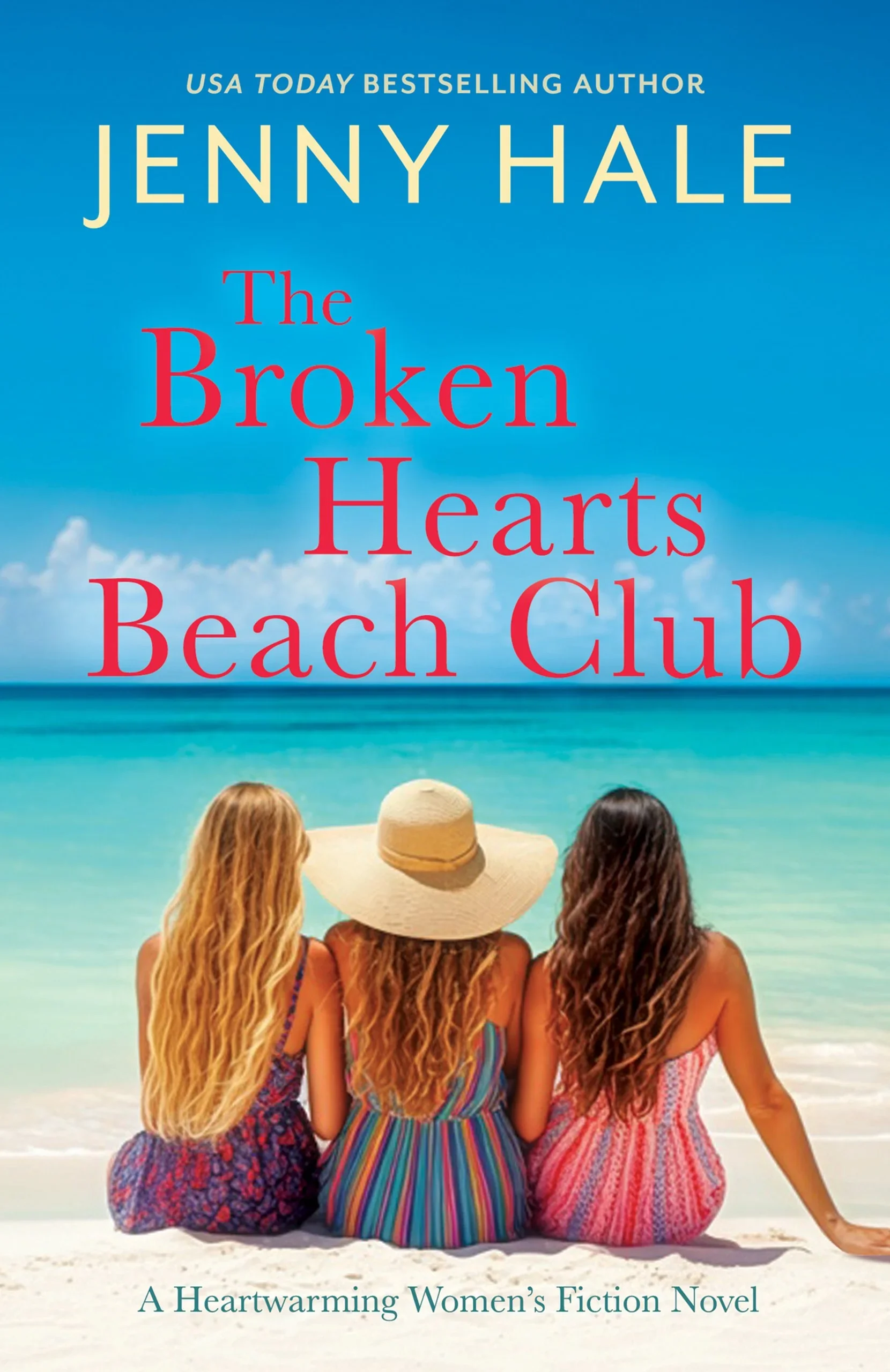
Jenny Hale’s wonderful, fun new beach read The Broken Hearts Beach Club (which I copyedited!) was released on May 11, and it has already become a bestseller! And for good reason, as it’s a beautiful and uplifting story centred on female friendship, love, romance, and one woman’s journey to create a life she loves. As always, I love how Jenny’s characters grow and develop over the course of the story. I also enjoyed the story’s setting, which was vividly portrayed. One of my favourite things about Harpeth Road novels is how they showcase lesser-known communities in the US. Their stories also focus on the best in people, which is so refreshing given the times we live in and the general news cycle, without glossing over our differences either.
If you’d like to check out The Broken Hearts Beach Club, or get a copy to bring on your summer holiday/vacation, you can find that here.
So that’s my news for May/June. What’s yours? I’d love to hear, so please feel free to send me an email, either via my contact form (which you can find here) or via my email address: kendraroseolson@gmail.com.
Until next time,
Kendra